
The Spirit of Capitalism: Our Silver-Bullet Solution to a Better World

Here’s an easy question: “No matter who or where you are, what’s the one thing that you absolutely have in common with everybody else?” That’s right. The economy and how it operates. In short, MONEY. For most of us in our world of global trade, that means some form of American-style capitalism.
Here’s another easy question: “Whether in your personal life or across the world stage, what’s the primary source of most conflicts?” Right again – MONEY. Want to live in a better world? So do we, and there is a silver-bullet solution to get us there.

We Have the Capitalism We’ve Created
American-style capitalism needs a new moral voice and ethic. “Greed is Good” as a moral voice and “Maximize Profit” as a moral ethic have long been dividing and destroying us. Especially in America. Individually, collectively, socially, culturally, economically and politically, we are being divided and destroyed by a moral voice and ethic that we voluntarily chose.
Ironic, except that we shouldn’t be surprised that we have the capitalism we create.
After more than fifty years of living with these two bad choices, it’s time to recognize that like any failed relationship, we don’t have to live with them anymore. We’re all adults; we’re free to pivot and take up with a better capitalism.
With the vision of creating a better capitalism, framed by a renewed moral voice and renewed moral ethic, we thoughtfully wrote the book Better Capitalism, we faithfully write this weekly Better Capitalism blog, we powerfully speak, we humbly teach, and we insightfully consult those working to balance profit and purpose. And to what end? To guide business, academic, and faith leaders in creating the shared purpose and sustainable profit they envision for themselves and those they lead.
The Spirit of Capitalism
Beyond the obvious motivations of self-interest and preservation, why should you care about improving capitalism? Because whether you’re aware or not, capitalism has a spiritual dimension. The spirit of capitalism is formed by and reflects the spiritual dimension each of us brings to the marketplace. The German sociologist and historian Max Weber, in his well-known book, The Protestant Ethic and the ‘Spirit’ of Capitalism (1905), insightfully linked the growth of modern capitalism to Protestant religious beliefs.
Let’s further explore this link between capitalism and beliefs in a 21st century pluralistic world, where Protestant beliefs aren’t the only game in town.
Every person has a spiritual dimension, which is no more controversial than stating every person has a heartbeat. For most of us, our spiritual dimension includes a faith perspective or tradition, whether we actively engage it or not. Even to state you don’t have a faith perspective is to plant your flag about your faith perspective.
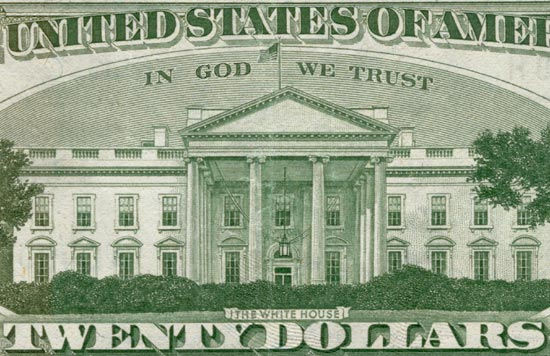
What are some faith perspectives that speak to the spiritual dimension of economic systems across the ages? Here is a simple sampling from B.W. Huntsman’s timeless book, Wisdom Is One. What here resonates with your heart and spirit? What would you add?
Even if [after death] thou art attached to worldly goods left behind, thou will not be able to possess them, and they will be of no use to thee. Therefore, abandon weakness and attachment for them; cast them away wholly; renounce them from thy heart.
The Tibetan Book of the Dead, ii, 1.
They make ropes of wet sand on the river bank, who rely on the riches of this earth.
Puran Singh, 87 (Sikhism).
Covet not the wealth of any man.
Isa Upanishad, 1.
Be thou free . . . from the thought of getting and keeping.
Krishna. Bhagavad-Gita, 11, 45.
Be not covetous towards thy kindred.
The Teaching of Ptah-hotep, xx.
You may be weighed with honours and become proud; misfortune then will come to your Self.
Lao Tse. Tao The King, ix.
The foolish by his thirst for riches destroys himself.
Dhammapada, 355.
He who covets extensively . . . sins will overpower him, dangers will crush him, and pain will follow him as water pours into a broken ship.
Sutta-Nipata, iv, 1, 4.
For the man of benevolence, wealth is the means by which the individual self is expanded. For the man without benevolence, the individual is a tool for the expansion of wealth.
The Great Learning, vii (Chinese) (emphasis added)
Thou shouldst not become presumptuous through much treasure and wealth; for in the end it is necessary for thee to leave it all.
Menog-i Khrad, ii, 102 (Zoroastrianism).
Thou shall not covet.
Exodus XX, 17.
Lay not up for yourselves treasure upon earth.
Jesus. Matthew vi, 19.
He who takes care of his money takes care neither of himself nor of what is his, but of things still further removed from what is his.
Plato. The First Alcibiades.
In wealth, fear is concealed and peril is hidden. There is no continuance in the riches of this world; that which is subject to mortality and undergoeth a change, hath never been and is not worth regarding.
Baha-u-llah.
According to his riches his anger riseth.
Ecclesiasticus xxviii, 10.
They that desire to be rich fall into a temptation and a snare and many foolish and hurtful lusts, such as drown men in destruction and perdition.
I Timothy vi, 9 (R.V.)

Our Spirit Drives the Spirit of Capitalism
To Max Weber’s point, the spiritual dimension of 19th century Protestants–those voices and ethics that included community, hard work, and frugality–are the fertile soil from which modern capitalism grew and populations prospered. The principle hasn’t changed even if the times have. The question remains, “What spiritual dimension are we bringing to capitalism?”
The spiritual dimension calls us to measure the economy, not only by what it produces, but also by how it touches human life and whether it protects or undermines the dignity of the human person. Economic decisions have human consequences and moral content; they help or hurt people, strengthen or weaken family life, advance or diminish the quality of justice in our land. Our capitalism needs a renewed spirit, and that renewal will only come about through people of goodwill bringing the best of their spiritual dimension into their economic decisions.
We’re building Better Capitalism for those seeking to live their spiritual dimension in the marketplace–in homes, offices, factories, and school; on farms and ranches; in boardrooms and union halls; in service agencies and legislative chambers. And for those who don’t yet understand that engaging their spiritual dimension in the marketplace is mission critical for a life well-lived, we’re here for them when they’re ready.
We’re also building Better Capitalism from the perspective of economic theologians. We’re more behavioral guides and teachers than classical economists. Why? Because classical economics is comparatively easy; it’ll follow whatever behavioral guidelines you feed it, and the math isn’t that hard. What’s harder and necessary is convincing people that until we connect our heads and our Spirits to our wallets, we’ll continue to serve capitalism rather than capitalism serving us.
Join Us
We open this series about the spiritual dimension of capitalism by encouraging you to bring the best of your spiritual values into everyday economic decisions. This is the path to successfully balancing profit and purpose in our individual lives and in our greater economy. If you're inspired to learn more and want practical ideas for living out your spiritual dimension in the marketplace, we’d love for you to join us on this journey of renewing capitalism. You can begin by reading our book Better Capitalism and by signing up for our weekly blog post.

Fix Capitalism. Fix the American Dream.
Our vision is to benefit society by transforming capitalism's current core ethic of 'maximize shareholder value' to the better core ethic of 'optimize mutual value.' We achieve our vision by impacting learning, opinion, beliefs, and policy. Institute for Better Capitalism, Inc.
⭐⭐⭐⭐⭐ Our Amazon number 1 new release: Unleash more with Better Capitalism: Jesus, Adam Smith, Ayn Rand, & MLK Jr. on Moving from Plantation to Partnership Economics.
"This book merits close, sustained attention as a compelling move beyond both careless thinking and easy ideology."—Walter Brueggemann, Columbia Theological Seminary
"Better Capitalism is a sincere search for a better world."—Cato Institute
The Institute for Better Capitalism, Inc., is a 501(c)(3). We invite and are grateful for financial partners in this work. We invite you to donate here or contact us for more information. Thanks!


